
NEW GUEST SPECIAL 20% OFF FIRST SERVICE (Excluding Injectables)
Not all IV drips are priced the same — or built the same. Here's what actually drives the cost and how to know what you're getting.
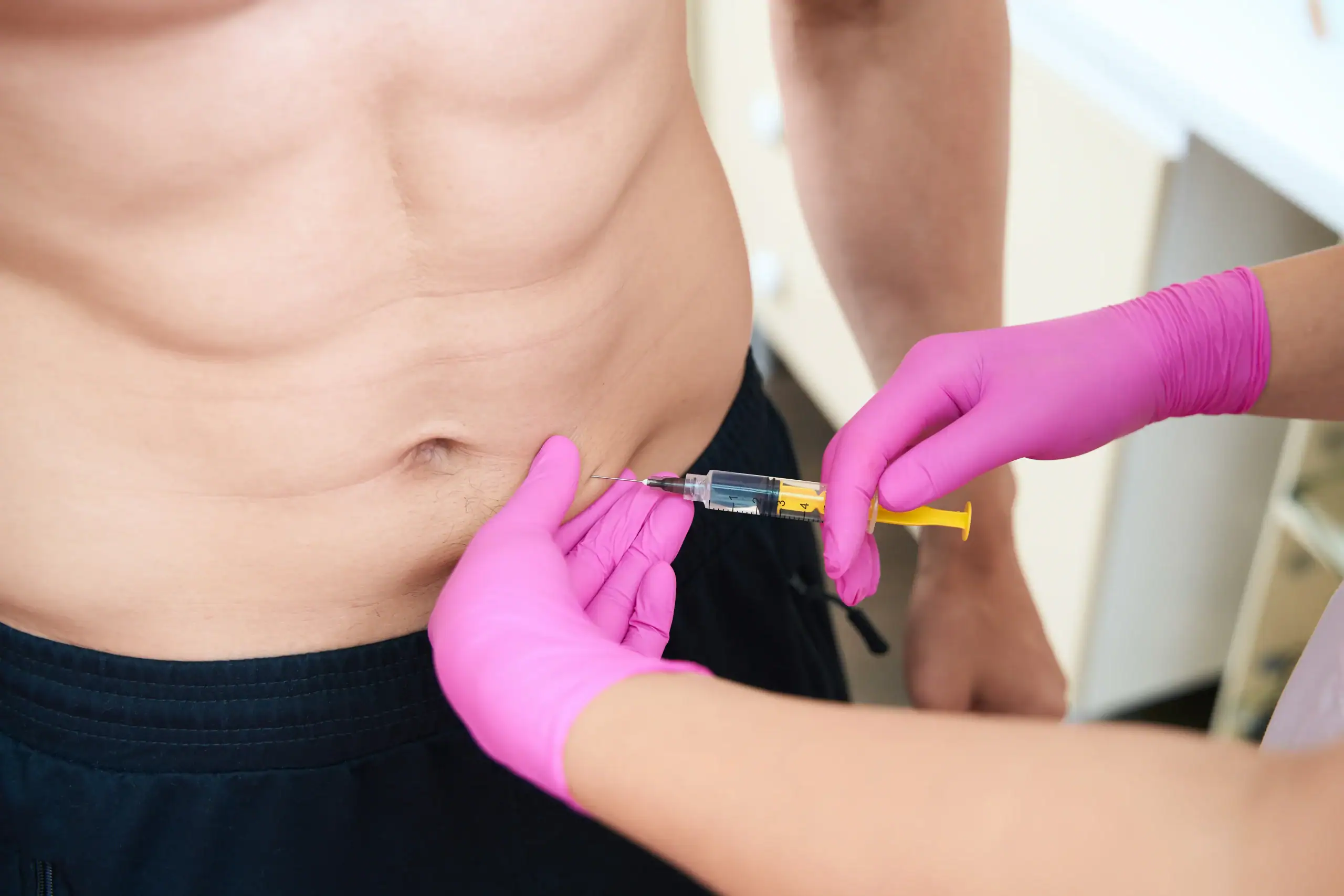
If you’ve looked up IV therapy pricing and walked away more confused than when you started, you’re not alone. Prices range from under $100 to well over $500, and most providers don’t explain why. Is the cheaper option just as good? Does the expensive one actually do more? These are fair questions — and they deserve a straight answer. This guide walks through what actually drives IV therapy pricing, how different treatments compare, and what separates a quality experience from one that cuts corners. Whether you’re curious about a basic hydration drip or something more targeted like NAD+, here’s what you need to know before you book.
The price of an IV drip isn’t just about the bag of fluids. It reflects the ingredients inside, the qualifications of the person placing the IV, the medical oversight structure behind the facility, and — in a properly run setting — the quality of the environment you’re sitting in for the next 30 to 60 minutes.
At the lower end of the market, you’ll find basic hydration drips running $75 to $150. These typically contain saline or electrolytes and are designed for fast rehydration. They’re straightforward, and the price reflects that. As you move into more complex formulations — B vitamins, magnesium, high-dose vitamin C, glutathione, or NAD+ — the cost increases because the ingredients cost more, the dosing requires more precision, and the medical protocols around them are more involved.
In Nassau County and the broader New York metro area, expect to pay more than the national average. A Myers’ Cocktail (a blend of B vitamins, vitamin C, magnesium, and calcium) typically runs $200 to $300 at a medically supervised facility. Beauty and anti-aging drips with glutathione or biotin generally fall in the $180 to $350 range. NAD+ therapy sits at its own tier — $300 to $1,000 or more depending on the dose — because the compound itself is expensive and the infusion requires more time and clinical attention.

Vitamin C is one of the most commonly requested IV nutrients, and it also has one of the widest pricing ranges — which confuses a lot of people. A standard vitamin C infusion typically costs between $125 and $250. High-dose therapeutic vitamin C, which uses significantly larger amounts of ascorbic acid and is sometimes used for immune support or recovery protocols, can run from $130 to $435 or more depending on the dose.
The reason the price jumps isn’t just the volume of vitamin C in the bag. High-dose infusions require more careful dosing and monitoring because the body processes large amounts of ascorbic acid differently than a maintenance dose. A licensed nurse needs to monitor the infusion throughout, and the physician-established protocol behind it needs to account for your health history, kidney function, and other factors. That level of clinical attention costs more to provide — and it should.
Understanding vitamin C IV therapy cost also means understanding what you’re comparing. A facility that charges $99 for a “vitamin C drip” and one that charges $220 are not necessarily offering the same product. The concentration, the grade of the ingredient, and the oversight structure can all differ significantly. Pharmaceutical-grade ascorbic acid — the same quality standard used in clinical settings — is more expensive than bulk wellness-grade supply. When a provider doesn’t explain what’s in the bag or who’s overseeing the infusion, that’s worth asking about before you commit.
New York State has some of the strictest IV therapy regulations in the country — any entity providing IV services must be owned and overseen by a licensed physician. That legal standard exists because IV therapy is classified as the practice of medicine in New York, not a cosmetic service. A facility that meets that standard will generally reflect it in their pricing — and in the quality of their care.
NAD+ (nicotinamide adenine dinucleotide) is the fastest-growing segment in IV therapy, and its pricing is in a category of its own. Sessions typically start around $300 for a lower dose and can exceed $1,000 for higher therapeutic doses. If you’ve seen those numbers and wondered whether that’s legitimate or just a premium markup, the answer requires a little context.
NAD+ is a coenzyme found in every cell in the body and plays a central role in energy production, DNA repair, and cellular aging. As we get older, NAD+ levels naturally decline — and that decline is associated with fatigue, cognitive fog, and reduced cellular resilience. IV delivery is the most direct way to raise NAD+ levels because oral supplements have very limited absorption. The compound itself is expensive to source at pharmaceutical grade, and the infusion typically takes longer than a standard vitamin drip — often 90 minutes to several hours at higher doses — which means more clinical time and oversight.
It’s also worth knowing that not every provider who offers NAD+ is set up to do it well. The infusion can cause discomfort if administered too quickly, and managing that requires an experienced nurse and an active medical protocol. Facilities that offer NAD+ at unusually low prices are often cutting corners somewhere — whether that’s the concentration, the grade of the compound, or the level of monitoring during the session.
NAD+ is treated as a distinct category, which is why our new guest discount doesn’t apply to it. It’s not a standard drip, and we don’t price or position it like one. If you’re considering NAD+ therapy and you’re not sure whether it’s the right fit for your goals, that’s exactly the kind of conversation our medical team is here to have with you before you book.
Want live answers?
Connect with a Beauty Lab Long Island expert for fast, friendly support.
Not every IV therapy provider operating in Nassau County is the same — and the differences go beyond price. The most important thing to look for is genuine medical oversight. In New York, IV therapy must be performed under the supervision of a licensed physician, in a facility that is physician-owned. That’s not just best practice — it’s state law. Yet enforcement gaps exist, and recent regulatory inspections have found violations at medical spas, including unlicensed procedures and inadequate medical oversight.
Asking a provider who will be placing your IV, what their license is, and whether a physician is actively involved in the facility isn’t being difficult — it’s being responsible. A quality provider will answer those questions without hesitation.
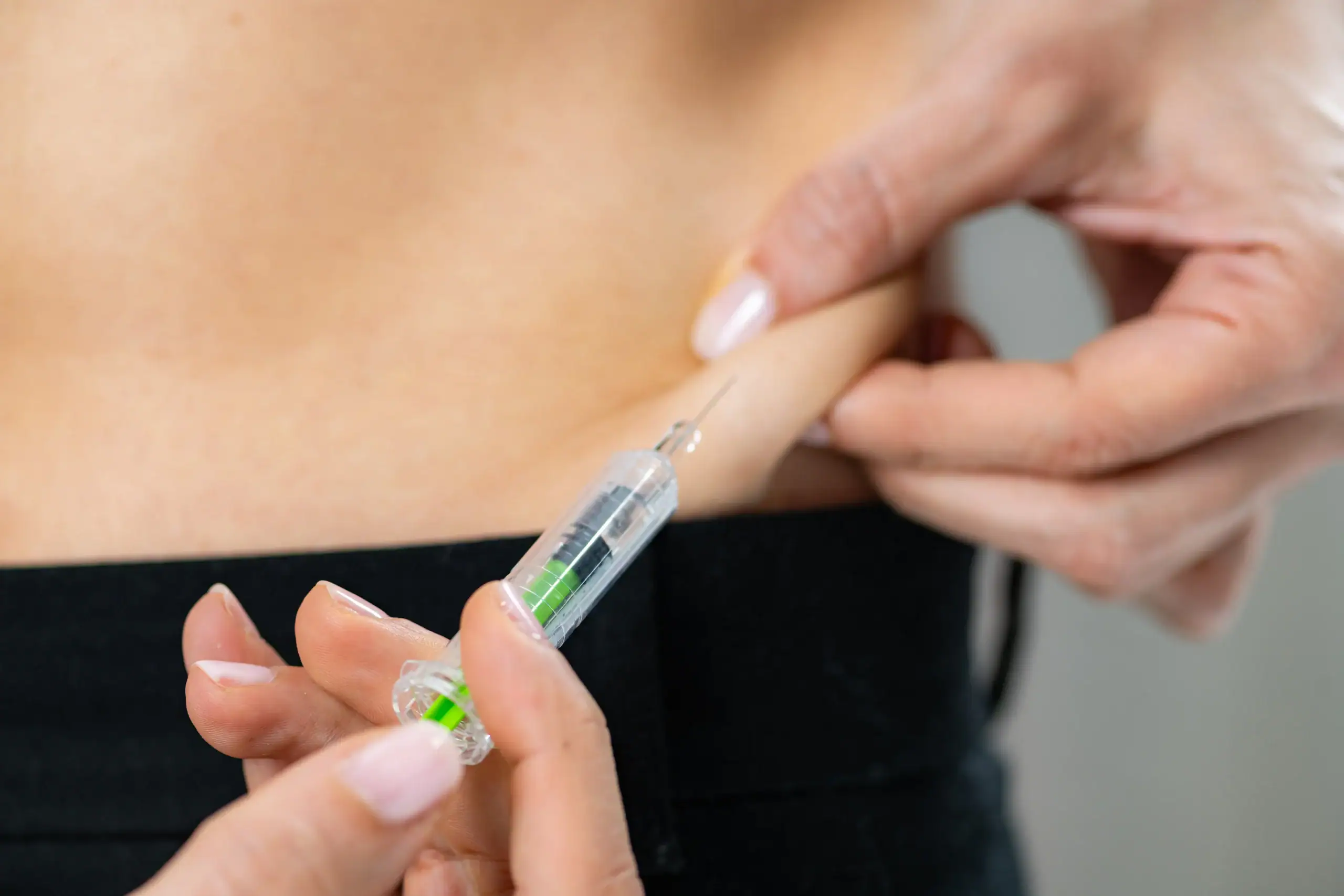
For some people, the clinical side is all that matters — they want the nutrients, they want results, and they’ll sit in any chair to get them. That’s a completely valid position. But for a lot of Nassau County clients, the setting is part of why they’re choosing a boutique medical spa over a chain drip bar or a mobile-only service, and it’s worth understanding what that difference looks like in practice.
Our IV sessions take place in private suites with massaging chairs and streaming entertainment. You’re not sitting in an open-plan room next to strangers. You’re not staring at a clinical ceiling under fluorescent lights. You’re in a quiet, private space — with lemon water, a healthy snack, and an hour to actually decompress. For a lot of people on the South Shore who are running between work, school pickups, and everything else, that hour is not a small thing. It’s the only quiet hour they’ll get all week.
The experience doesn’t change what’s in the IV bag. But it does change how the session feels, and for treatments that require you to sit still for 30 to 60 minutes anyway, the environment affects how rested and restored you feel when you walk out. That’s not a luxury upsell — it’s a meaningful part of the outcome.
The concierge-style approach also means your treatment isn’t being decided at the front desk. We build personalized programs based on your health goals, your lifestyle, and what your body actually needs — not a generic menu item you picked off a board. That kind of individualized care takes more time and more clinical investment, and it’s reflected in our pricing. But it also means you’re not guessing whether you chose the right drip.
**Does insurance cover IV therapy in New York?**
For most elective wellness IV therapy — hydration drips, vitamin cocktails, beauty infusions, NAD+ — standard health insurance does not provide coverage. These are considered out-of-pocket wellness services. The exception is when a physician prescribes IV therapy to treat a documented medical condition, such as an iron infusion for diagnosed anemia, which may be coded and billed differently. If you have an FSA or HSA, those funds can often be applied toward IV therapy — it’s worth checking your plan’s specific guidelines. We’re happy to walk through payment options when you come in.
**Why does IV therapy cost more in Nassau County than what I see advertised elsewhere?**
A few reasons. New York has some of the most rigorous IV therapy regulations in the country, which means operating a compliant facility here — with physician ownership, licensed medical staff, and proper protocols — carries real overhead. You’re also in one of the most affluent suburban markets in the U.S., where the cost of operating a quality medical facility reflects local real estate and staffing realities. Providers advertising unusually low prices in Nassau County are often either operating with less oversight, using lower-grade ingredients, or both. The price difference between a $99 drip and a $250 medically supervised infusion is rarely arbitrary.
**How often should I get IV therapy to see results?**
This depends entirely on what you’re using IV therapy for. Someone coming in for acute hangover recovery or pre-event hydration might only need it occasionally. Someone using IV therapy as part of an ongoing wellness program — for energy, immunity, or anti-aging — might benefit from monthly or bi-monthly sessions. We don’t hand you a schedule at the door. We assess your goals and build a program around them. That’s a different approach than a one-off drip bar visit, and for clients who are serious about their health, it tends to produce better long-term results.
**Is mobile IV therapy available on Long Island, and does it cost more?**
Yes — we offer mobile IV therapy for Nassau County clients who can’t make it to our Merrick location. Mobile services typically carry a premium of $50 to $100 above in-clinic pricing, which reflects travel time and logistics. The clinical quality is the same: same pharmaceutical-grade formulations, same licensed staff, same medical protocols. If you’re in Bellmore, Wantagh, Seaford, or anywhere else along the South Shore, we can bring the service to you.
The honest answer is: it depends on what you’re comparing it to. If you’re weighing a medically supervised IV drip against a bottle of multivitamins, the comparison isn’t really fair — IV therapy delivers nutrients at 100% bioavailability, bypassing digestion entirely, while most oral supplements absorb at 20% or less. If you’re comparing a $250 session at a physician-led facility against a $99 drip at an unregulated pop-up, the difference is in what you’re actually getting — and what risks you’re taking on.
For Nassau County residents who are already investing in their health and want results they can actually feel, medically supervised IV therapy at a quality facility is a reasonable investment. The key is knowing what to look for: licensed staff, physician oversight, pharmaceutical-grade ingredients, and a provider who takes your health history seriously before placing an IV.
If you’re ready to stop guessing and start with something that’s actually built around your goals, we’re here to help. New guests receive 20% off their first service — a low-risk way to experience the difference between a real clinical setting and the alternatives.
Summary:
Article details:
Share:

