NEW GUEST SPECIAL 20% OFF FIRST SERVICE (Excluding Injectables)
Weight loss is only part of the transformation. See how an integrated aesthetic approach addresses the full picture — from the inside out.

You’ve done the hard part — or you’re in the middle of it — and the results still aren’t matching the effort. Maybe you’ve lost weight but your skin isn’t cooperating. Maybe you’re on a GLP-1 medication and your face looks different in a way you didn’t anticipate. Maybe you’ve been managing your weight for years and you’re ready for an approach that actually addresses the full picture, not just the number on the scale.
That’s exactly what weight loss aesthetics is built to do. Here’s how it works, what it involves, and why doing it in an integrated, medically supervised setting makes all the difference.
Weight loss aesthetics isn’t a single treatment — it’s a framework. It’s the idea that body transformation involves more than caloric deficit, and that the skin, face, and overall appearance deserve as much attention as the weight itself. When you lose fat rapidly, through medication, diet, or a combination of both, your body changes in ways that aren’t always flattering without support.
Skin can loosen. Facial volume can drop. Collagen and elastin — the proteins that keep skin firm and elastic — can deplete faster than the body can replace them. An integrated approach anticipates all of this and builds a program around it, addressing internal health and external appearance at the same time rather than treating them as separate problems.
The phrase “aesthetic health and wellness” gets used loosely, but the concept behind it is straightforward: how you look is directly connected to how your body is functioning. When you’re depleted — low on key nutrients, running on poor sleep, dealing with inflammation — it shows up in your skin, your energy, your face. And when you’re nourishing your body properly, that shows up too.
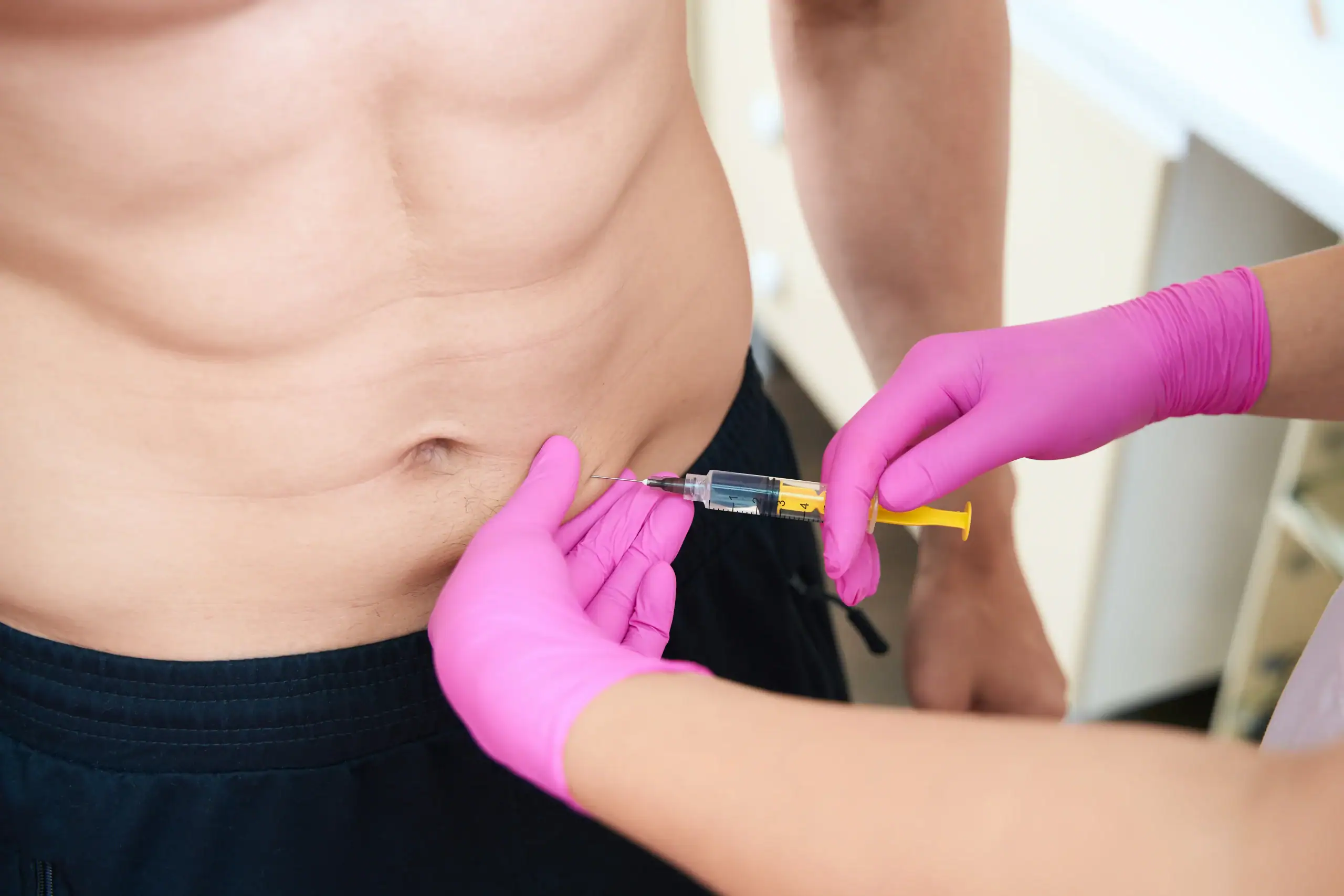
This is why IV nutritional therapy is a central part of the weight loss programs we design at Beauty Lab, not an add-on. When vitamins, minerals, amino acids, and hydration are delivered intravenously, your body absorbs them at 100% — there’s no digestive barrier filtering out a significant portion the way there is with oral supplements. During a weight loss program, when your body is mobilizing fat, adjusting to caloric changes, and potentially responding to peptide or GLP-1 therapy, that direct nutritional support matters. It addresses the fatigue, brain fog, and metabolic slowdown that often derail people mid-program.
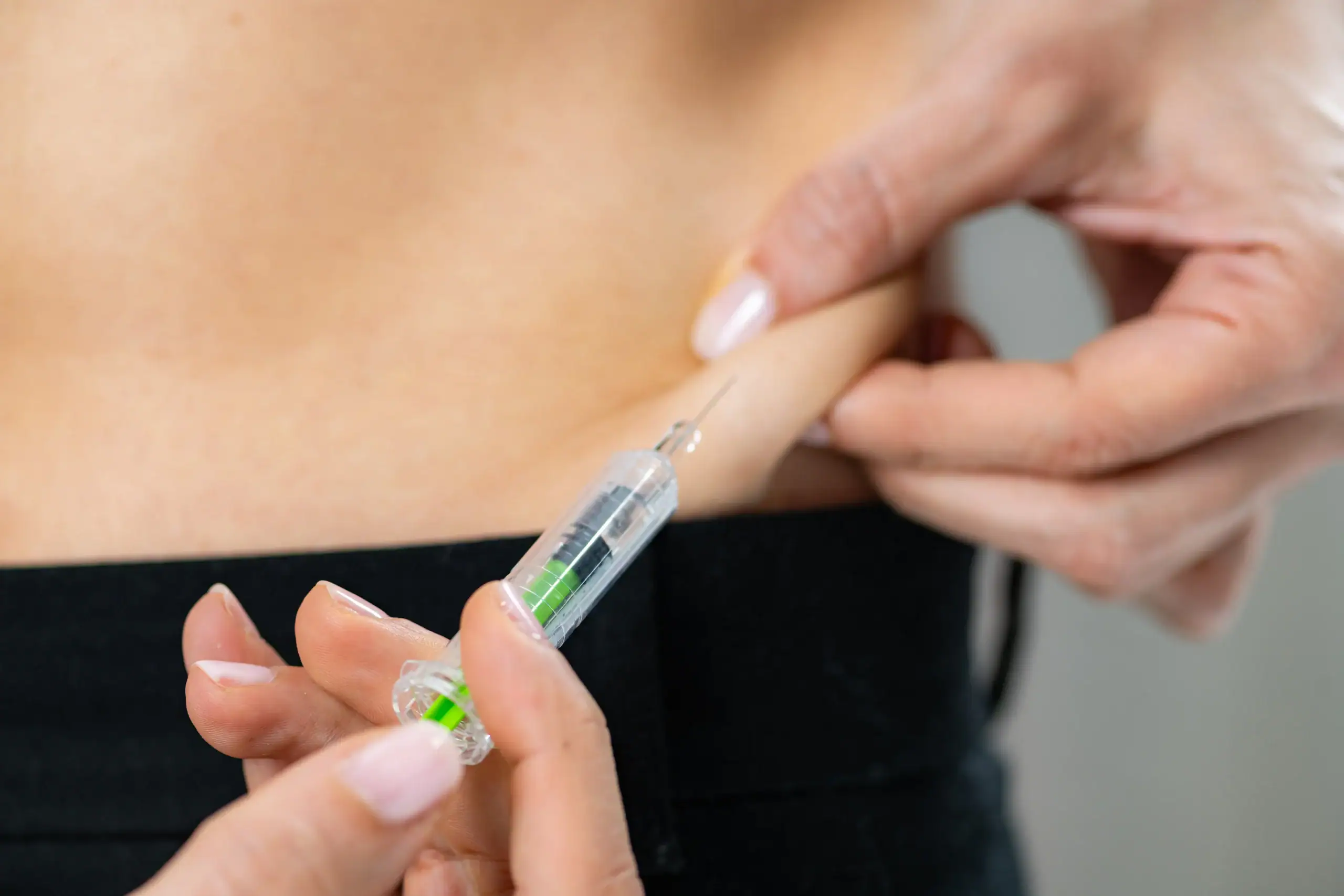
Peptide therapy adds another layer. Peptides like GLP-1 receptor agonists — the class of medications behind semaglutide and tirzepatide — work by regulating appetite, improving insulin sensitivity, and supporting fat metabolism. But they don’t work in isolation. When combined with IV nutritional support, they’re working alongside a body that has what it needs to respond well. And when combined with aesthetic treatments that address the skin and structural changes weight loss brings, the overall result is something genuinely different from what any single service can produce.
This integrated approach is what separates a real weight loss aesthetics program from a menu of unrelated services. The treatments are sequenced intentionally. Our clinical team is monitoring your progress. And the plan adjusts as your body changes — because what you need in week four of a program is different from what you need in week twelve.
For Nassau County residents who’ve been managing their weight through primary care physicians, separate aesthetics appointments, and maybe an IV bar on the side, the difference is significant. One location, one coordinated team, one plan that accounts for all of it.
If you’re on semaglutide or tirzepatide and you’ve noticed changes in your face — a hollowed look, more visible lines, skin that seems to have aged faster than expected — you’re not imagining it, and you’re not alone. The phenomenon has been widely covered, and the clinical explanation is now well-established.
A 2024 paper in the Aesthetic Surgery Journal confirmed that GLP-1 receptors are present on the stem cells responsible for producing collagen, elastin, and hyaluronic acid. The medications appear to inhibit those cells, which means the skin loses structural proteins at an accelerated rate — beyond what weight loss alone explains. There are additional mechanisms at work.
This matters because the solution isn’t to stop losing weight. It’s to support the skin and restore what the process depletes. Biostimulatory treatments that encourage collagen production, injectables that restore facial volume naturally, and customized skin protocols that address texture and laxity — these are the tools that close the gap between the weight you’ve lost and the way you want to look.
At our Merrick location, we see this concern regularly, particularly among patients who started GLP-1 programs through their primary care physicians and weren’t told what to expect aesthetically. The weight loss is real and meaningful. The skin and facial changes are also real — and they’re addressable. The key is working with a team that understands both sides of the equation and can treat them together, rather than sending you to three different providers to piece it together yourself.
Across Nassau County, more people are starting to ask about this. The search volume for related terms has grown sharply over the past two years. And the patients we see aren’t looking for dramatic interventions — they want to look like themselves again, just at a healthier weight. That’s a reasonable goal, and it’s one that an integrated weight loss aesthetics approach is specifically built to meet.
Want live answers?
Connect with a Beauty Lab Long Island expert for fast, friendly support.
One of the most common questions we hear is some version of: “Should I lose the weight first, then do the aesthetic treatments?” The short answer is no — and the timing actually matters quite a bit.
The most effective programs are phased. Early on, the focus is on supporting the weight loss itself: peptide therapy or GLP-1 medication management, IV nutritional support to keep energy and metabolism functioning well, and lymphatic drainage to help the body process metabolic waste efficiently. As weight loss progresses, body contouring treatments become more effective because there’s less overall volume to work with. And as the program matures, skin tightening and collagen restoration treatments address the laxity and texture changes that weight loss inevitably brings.
Trying to do all of this at once, or in the wrong order, produces inconsistent results. The sequence is part of the clinical design.

Body contouring is most effective when it’s working with a body that’s already in motion — not one that’s still holding significant fat volume. This is why we typically introduce contouring treatments after a patient has made meaningful progress in their weight loss program, rather than at the very beginning.
Non-invasive body contouring treatments target stubborn pockets of fat that don’t respond to weight loss alone. These are the areas where fat cells are particularly resistant — the lower abdomen, flanks, inner thighs — places that often remain unchanged even after significant overall weight loss. Combining contouring with an active weight loss program means you’re addressing the structural fat deposits at the same time the body is reducing overall fat mass, which produces more defined, proportional results than either approach alone.
Lymphatic drainage plays a supporting role here that often gets overlooked. After body contouring treatments, the lymphatic system is responsible for clearing the disrupted fat cells and metabolic byproducts from the treatment area. When the lymphatic system is sluggish — which is common during periods of rapid weight change — that clearance process slows down and results are delayed. Regular lymphatic drainage massage during a weight loss and contouring program isn’t a luxury; it’s a clinical tool that accelerates visible outcomes.
For Nassau County patients with busy schedules — many of whom are commuting into the city via the LIRR and managing full family and professional lives — the ability to address weight loss, contouring, and lymphatic support in a single location on a coordinated timeline is genuinely different from managing three separate provider relationships. Our program is designed around your life, not the other way around.
Most weight loss programs end when you hit your goal. Ours don’t — because the work of maintaining results is different from the work of achieving them, and it deserves its own plan.
Weight regain after a loss program is a real and well-documented pattern. The body’s metabolism adjusts during weight loss, hunger hormones shift, and without ongoing support, many people find themselves slowly reversing the progress they worked hard to achieve. Long-term maintenance protocols address this directly. They may include lower-dose peptide or GLP-1 support, periodic IV nutritional therapy to keep energy and metabolism supported, and regular check-ins with our clinical team to monitor how your body is responding over time.
On the aesthetic side, maintenance looks different too. Skin that has been through significant volume changes — whether from weight loss, aging, or both — benefits from ongoing collagen stimulation, hydration support, and periodic aesthetic treatments that keep pace with natural aging. The goal isn’t to freeze your appearance; it’s to make sure that the investment you made in your transformation continues to pay off.
This is where our boutique, personalized model at Beauty Lab is meaningfully different from a high-volume med spa that processes patients through standardized protocols. Your maintenance plan is built around your specific body, your specific skin, and where you are in your journey — not a generic package that gets applied the same way to everyone.
We’re located at 2073 Merrick Road in Merrick, NY, and we serve patients from throughout Nassau County — Bellmore, Wantagh, Freeport, Baldwin, Oceanside, Rockville Centre, and beyond. For patients who prefer to receive IV therapy at home or at our office, mobile IV therapy is available across Nassau County, which means the nutritional support component of your program doesn’t have to wait for a clinic visit. We’re open Monday through Saturday, 10am to 7pm, and new guests receive 20% off their first service.
The patients who get the most from a program like this are the ones who stop thinking about weight loss and aesthetics as separate categories — and start treating them as two parts of the same goal.
If you’ve been managing your weight and your appearance through separate providers, or you’ve lost weight and still don’t look or feel the way you expected, the missing piece is usually integration. Not more treatments — better coordination between the ones that already make sense for your goals.
A real weight loss aesthetics program connects the internal work (nutrition, metabolism, hormonal support) with the external outcomes (skin quality, body contour, facial volume) in a sequence that’s designed to produce compounding results over time. It’s monitored by a clinical team that adjusts the plan as your body changes, not a front desk that books appointments.
If that sounds like what you’ve been looking for, Beauty Lab is worth a conversation. The first step is a consultation — no pressure, no obligation — just an honest assessment of where you are and what a personalized program might look like for you.
Summary:
Article details:
Share: