NEW GUEST SPECIAL 20% OFF FIRST SERVICE (Excluding Injectables)
Not sure whether a medical spa or day spa is right for you? Here's what actually separates the two — and why it matters for your results.

You’ve probably walked past both. Maybe you’ve booked both. And at some point, you’ve wondered whether there’s actually a meaningful difference — or whether a medical spa is just a day spa with better lighting and a higher price tag.
It’s a fair question. The answer matters more than most people realize, especially if you’ve been spending time and money on treatments that feel great in the moment but don’t seem to move the needle on your skin, your energy, or how you actually feel.
Here’s what separates the two — and how to know which one is right for what you’re trying to accomplish.
A day spa is designed around relaxation. The treatments are soothing, the environment is calm, and you’ll leave feeling better than when you walked in. That’s genuinely valuable — but it’s also the ceiling. Day spa facials, massages, and body wraps work at the surface level. They’re not built to correct, treat, or produce lasting clinical change.
A medical spa operates on a different premise entirely. The goal isn’t just to help you unwind — it’s to help you see real, measurable improvement in your skin, your body, and your overall wellness. That requires medical-grade tools, clinically trained staff, and a treatment plan that’s built around your specific concerns rather than a standard menu.
The distinction isn’t about price. It’s about what’s actually possible.
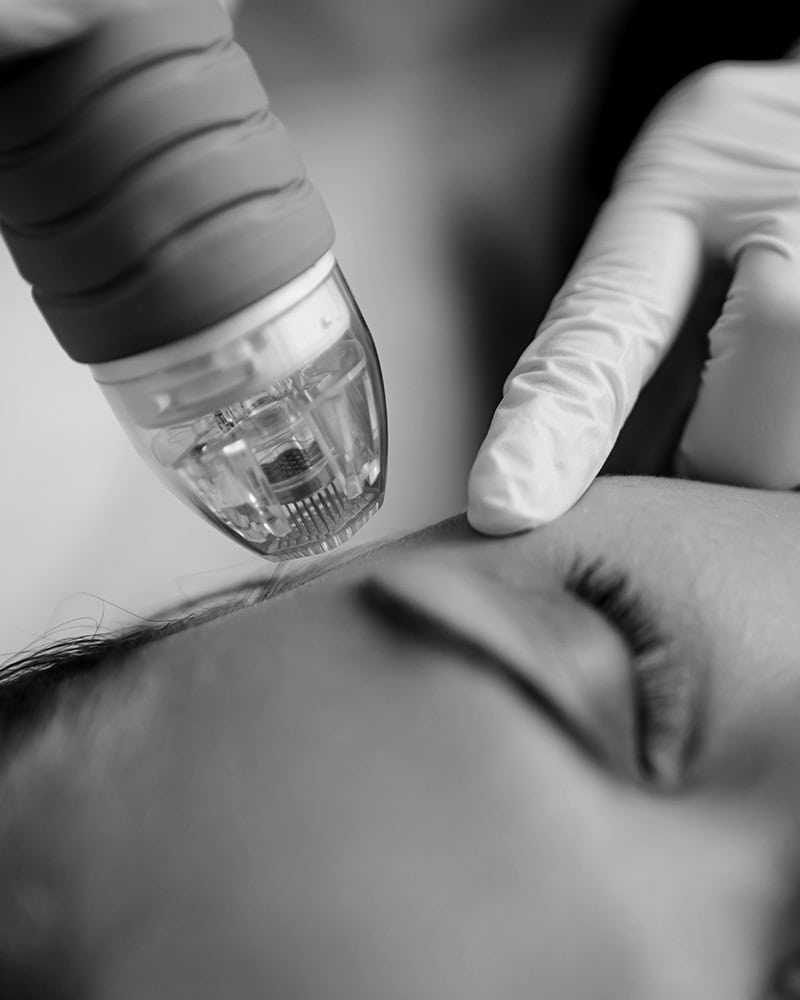
Start with the treatments themselves. At a day spa, estheticians work with cosmetic-grade products and equipment — formulas designed to be gentle enough for unsupervised use. The results are real but limited. A standard facial can hydrate, brighten, and give your skin a healthy glow. What it can’t do is correct deeper concerns like collagen loss, uneven texture, persistent pigmentation, or volume changes that come with age.
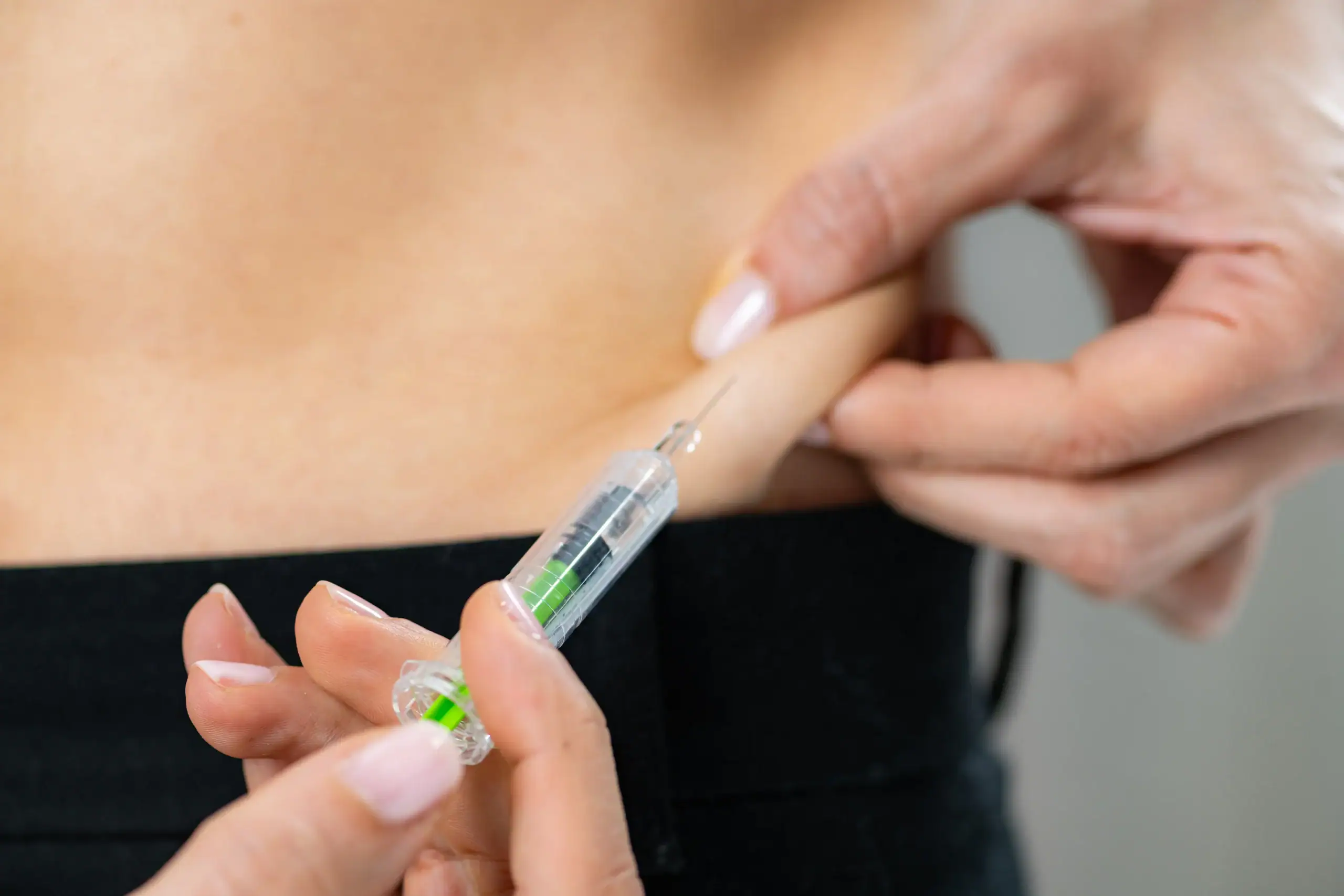
Medical spas have access to a completely different tier of treatments. HydraFacials with lymphatic enhancement, medical-grade chemical peels, microneedling, dermal fillers, Botox, Emface, body contouring, and IV therapy — these aren’t available at a day spa because they require clinical oversight to be performed safely and effectively. In New York State, injectables like Botox and dermal fillers must be administered by a licensed medical professional. That’s not a suggestion — it’s the law.
The depth of treatment is also categorically different. Medical-grade chemical peels work at a cellular level, triggering real skin renewal rather than surface polish. A HydraFacial performed under clinical supervision can be customized with serums and add-ons — including lymphatic drainage enhancement — that simply aren’t available in a day spa setting. The same treatment, at a deeper level, with a trained provider who knows your skin history, produces a result that’s in a different league.
Then there’s IV therapy. This is a service that doesn’t exist in the day spa world at all. When you’re run-down, dehydrated, or just feel like you’ve been going too hard for too long, an IV drip delivers hydration, vitamins, and nutrients directly into your bloodstream — bypassing the digestive system entirely for faster, more effective absorption. Clients consistently describe the difference as feeling it within hours, not days. That’s not a spa treatment. That’s clinical wellness.
One of the most important differences between a medical spa and a day spa is who’s in the room with you. At a day spa, your provider is typically a licensed esthetician — trained in skin care, qualified for the services they offer, but not a medical professional. That’s appropriate for the treatments they’re performing. The issue arises when day spas attempt to offer services that cross into medical territory without the supervision to back it up.
At a legitimate medical spa, the team includes doctors, nurse practitioners, and registered nurses. Not as names on a wall — as active participants in your care. We review your medical history, develop your treatment plan, and are present to respond if anything unexpected comes up. That level of oversight isn’t just a credential — it’s a safety infrastructure that fundamentally changes what treatments are possible and how safely they can be delivered.
This matters especially for anyone considering injectables, laser treatments, or higher-concentration chemical peels. These are procedures where technique, product quality, and clinical judgment all affect the outcome. The difference between a skilled NP who knows your face and an under-supervised technician working through a packed schedule isn’t theoretical — it shows up in your results.
The American Board of Cosmetic Surgery is direct on this point: a medical director listed on paper isn’t enough. Qualified medical spas have a physician or licensed clinical provider on-site, day to day, actively involved in patient care. When you’re evaluating where to go, that’s one of the first things worth asking about.
Want live answers?
Connect with a Beauty Lab Long Island expert for fast, friendly support.
Nassau County is not a market that settles. Residents here are accustomed to high standards across every category — and increasingly, they’re applying that same standard to their wellness and aesthetic care. The question isn’t whether to invest in your appearance and health. It’s whether the investment is actually producing results.
That’s where the medical spa conversation gets real. Day spa treatments require ongoing repetition to maintain even modest improvements. Medical-grade treatments, performed under clinical supervision, produce changes that are deeper, more durable, and cumulative over time. You’re not just maintaining — you’re building toward something.

This is the question most people are really asking when they compare the two. A relaxing facial at a day spa typically produces visible results for a few days — your skin looks refreshed, feels hydrated, and has a healthy glow. Then life happens, and you’re back to baseline within a week or two. To maintain even that, you’re booking monthly.
Medical spa treatments work differently because they’re targeting the underlying causes of what you’re seeing, not just the surface expression of it. A series of microneedling sessions stimulates collagen production — a process that continues for weeks after the treatment itself. Dermal fillers restore volume that’s been lost over years, with results that typically last anywhere from six months to two years depending on the product and placement. A properly performed medical-grade chemical peel triggers real cellular turnover, with skin continuing to improve for weeks after the appointment.
IV therapy is a good example of the speed difference. Most clients report feeling more energized, better hydrated, and noticeably clearer within hours of a drip — not because it’s a quick fix, but because the delivery method is direct. Your body gets what it needs without the delay of digestion. For Nassau County residents juggling demanding schedules, long commutes into the city, and everything else on the list, that kind of efficient recovery matters.
The cost difference between a day spa and a medical spa is real — medical spa treatments typically run $150 to $500 or more per session, compared to $50 to $200 at a day spa. But the math changes when you factor in longevity. One well-executed treatment plan at a medical spa can produce results that would take years of weekly day spa visits to approximate — and still fall short.
Not all medical spas are created equal, and that’s worth saying plainly. The industry has grown fast, and that growth is a sign of real consumer demand. But it also means the quality gap between providers has widened.
When you’re evaluating a medical spa in Nassau County, the first thing to look for is visible, verifiable credentials. The names and licenses of the supervising physician, nurse practitioners, and RNs should be easy to find — not buried or vague. If a website lists a medical director but gives you no way to confirm their involvement, that’s worth pausing on.
The consultation process tells you a lot. A reputable medical spa will want to understand your medical history, your goals, and your skin before recommending anything. If you’re being pushed toward a specific treatment before anyone has looked at your face or asked about your health history, that’s a red flag. High-pressure sales tactics — “this price is only good today” — are another one.
Environment matters too, and not just aesthetically. A clean, organized, professionally run space signals that the people operating it take their work seriously. Our clients consistently mention the cleanliness and calm of our space — and that’s not an accident. It reflects how we approach everything else.
For anyone on the South Shore of Nassau County, the practical question is also about access. You shouldn’t have to drive to Manhattan or trek to the North Shore to get medical-grade care delivered in a boutique setting. The right provider should be close, consistent, and genuinely invested in your long-term results — not just your next appointment.
If you’re looking for a place to decompress and leave feeling refreshed, a day spa is a perfectly good choice. There’s nothing wrong with it. But if you want your skin to actually change — if you want more energy, real correction, treatments that compound over time — a medical spa is a different category of care.
The right medical spa won’t feel like a doctor’s office. It should feel like a place that takes your goals seriously, knows your history, and has the clinical depth to actually move the needle. That combination — boutique experience backed by real medical supervision — is what separates a provider worth returning to from one you visit once and forget.
If you’re ready to have that conversation, we’re here. New guests receive 20% off their first service, which makes it easy to experience the difference without a major commitment. The rest tends to speak for itself.
Summary:
Article details:
Share: