
NEW GUEST SPECIAL 20% OFF FIRST SERVICE (Excluding Injectables)

Hear from Our Customers
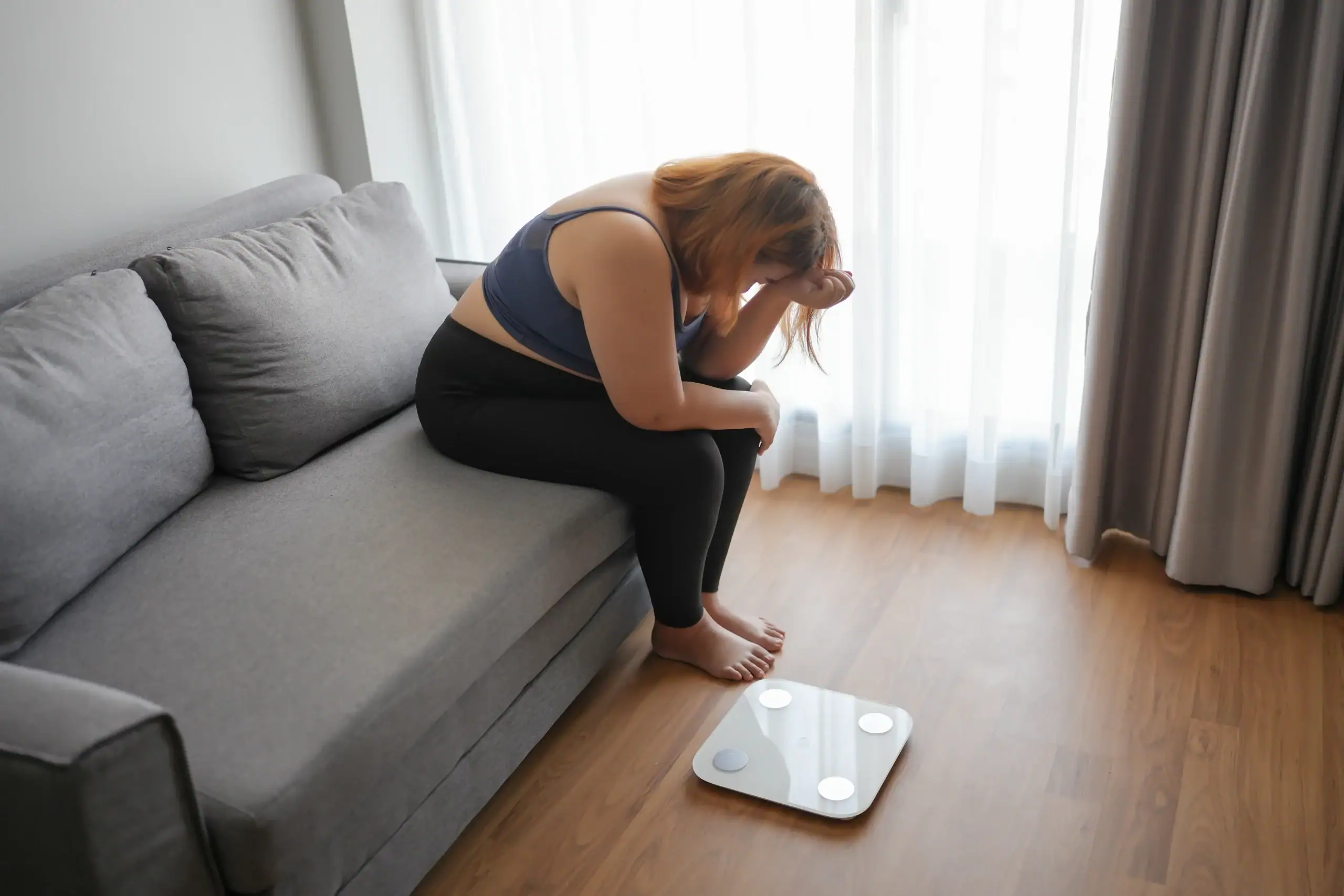
Most people who come to us have already done the work — the early mornings, the meal tracking, the gym memberships. What they haven’t had is a program that addresses what’s actually driving the weight gain. GLP-1 medications like semaglutide and tirzepatide work at the hormonal level, mimicking a natural gut hormone that regulates appetite and blood sugar. The result is that eating less stops feeling like a constant battle and starts feeling manageable — not because your willpower suddenly improved, but because the biological signal telling you to keep eating has been dialed back.
For Manhasset Hills residents specifically, the commuter lifestyle plays a real role here. Long hours on I-495 or the Northern State Parkway, desk-bound work schedules, and the kind of stress that comes with high-performing careers all contribute to metabolic patterns that diet and exercise alone can’t fully reverse. Elevated cortisol, disrupted eating schedules, and reduced sleep quality are not motivation problems — they are physiological ones. Clinical data backs up what that means for outcomes: semaglutide produces an average of approximately 15% total body weight loss in trials, and tirzepatide has shown up to 22.5% in the SURMOUNT studies at highest doses. That’s not a diet-plan number. That’s a number that reflects what happens when the right intervention meets the right clinical support.
The other shift people notice is how the rest of their wellness picture improves. Energy levels stabilize. Sleep quality often improves alongside weight loss. And because we’re a full-service med spa, not a single-service injection clinic, you can address other goals — lymphatic drainage, IV therapy, skincare — in the same visit. For a community that already travels for every service it needs, that kind of efficiency matters.
We’re located at 2073 Merrick Road in Merrick, NY — about a 20 to 30-minute drive from Manhasset Hills via I-495 or Hillside Avenue. Our weight loss program is physician-supervised, which means a real prescriber reviews your health history, determines whether you’re a candidate, and stays involved as your dosing progresses. That’s not a standard you’ll find at every provider.
This matters more in the current environment than it might have a few years ago. The New York Department of State issued a statewide warning in early 2026 after inspecting hundreds of med spas for unlicensed activity. Residents of Manhasset Hills — a community that sits adjacent to Long Island Jewish Medical Center and North Shore University Hospital, two of Northwell Health’s flagship campuses — already understand what real clinical oversight looks like. We’re built to that standard. A physician and licensed clinical team are on-site. Not listed on a license in a drawer somewhere. Actually there.
The program is also genuinely personalized. Your dosing starts low and adjusts based on how your body responds — which is the clinical standard for managing side effects and getting sustainable results, not a marketing claim.

The process starts with a medical consultation. Before anything is prescribed, a member of our clinical team reviews your health history, discusses your goals, and confirms whether you’re a candidate for GLP-1 therapy. The FDA-approved eligibility thresholds are a BMI of 30 or higher, or a BMI of 27 or higher with at least one weight-related condition such as high blood pressure, high cholesterol, or type 2 diabetes. That consultation is where the program actually begins — not at the moment you receive your first injection.
From there, dosing starts at the lowest effective level and increases gradually over time based on your individual response. This titration approach is how nausea and other GI side effects — the most commonly reported concerns with GLP-1 medications — are kept manageable. Most patients who work through the initial adjustment period find that side effects diminish significantly as the body adapts. The medication itself is administered once weekly, which fits into the kind of schedule Manhasset Hills residents are actually working with — Monday through Saturday appointments are available from 10am to 7pm, meaning you can work around a commute rather than rearranging your week.
Follow-up is built into the program. Dose adjustments, side effect check-ins, and ongoing guidance are part of what makes this different from a telehealth questionnaire that ends with a prescription. If you want to combine your visit with lymphatic drainage or IV therapy — both of which complement weight loss outcomes — that can be scheduled in the same appointment. It’s not a separate trip.

Ready to get started?
Our weight loss program is built around two FDA-approved GLP-1 medications: semaglutide and tirzepatide. Both work by mimicking hormones that regulate appetite and blood sugar — semaglutide targets the GLP-1 receptor specifically, while tirzepatide acts on both GLP-1 and GIP receptors, which is why clinical trial results for tirzepatide have generally shown higher average weight loss. Your prescriber will help determine which medication is the better fit based on your health profile and goals.
What’s included in the program goes beyond the injection itself. The initial medical consultation, personalized dosing protocol, and ongoing follow-up are all part of how we approach this — not as a one-time prescription service, but as a continuing program with real clinical involvement. That’s a meaningful distinction in a market where telehealth-only GLP-1 services are actively targeting Nassau County residents, including those in the Manhasset Hills and New Hyde Park area, with compounded versions of these medications that the FDA has formally warned about.
It’s also worth knowing that GLP-1 medications for weight loss are not covered by New York State Medicaid and commercial insurance coverage varies widely — most patients pay out of pocket. New patients at Beauty Lab receive 20% off their first service, excluding NAD treatments. For Manhasset Hills residents evaluating a program that may involve months of ongoing care, that’s a useful way to experience the clinical environment and the team before committing to a longer course of treatment.

Both are FDA-approved GLP-1 medications used for chronic weight management, and both are available through our physician-guided weight loss program. The core difference is in how they work. Semaglutide targets a single receptor — the GLP-1 receptor — which regulates appetite and blood sugar. Tirzepatide targets two receptors, GLP-1 and GIP, which is why clinical trial data has generally shown higher average weight loss with tirzepatide. In the SURMOUNT trials, tirzepatide produced up to 22.5% total body weight loss at the highest doses. Semaglutide averages approximately 15% in clinical studies — which is still significantly higher than what lifestyle-only programs typically produce.
Which one is right for you depends on your individual health profile, medical history, and how your body responds to treatment. That’s a conversation that happens during your initial consultation at Beauty Lab, not a decision made based on a questionnaire. Manhasset Hills residents who work in healthcare or have close familiarity with clinical standards through nearby facilities like Long Island Jewish Medical Center or North Shore University Hospital will recognize that this kind of individualized prescribing is what separates a real medical program from a convenience service.
GLP-1 is a hormone your gut naturally releases after you eat. It signals to your brain that you’re full, slows digestion, and helps regulate blood sugar. In people who struggle with persistent weight gain, this system is often dysregulated — meaning the satiety signal isn’t strong enough or doesn’t last long enough to prevent overeating. GLP-1 medications mimic and amplify that signal, making it physiologically easier to eat less without relying entirely on willpower.
Diet and exercise are valuable and remain part of any sustainable weight management approach, but they don’t directly address hormonal dysregulation. For Manhasset Hills residents dealing with the metabolic consequences of a demanding commuter lifestyle — elevated cortisol from long hours on I-495 or the Northern State Parkway, disrupted eating schedules, reduced sleep — the underlying biology has often shifted in ways that calorie restriction alone can’t reverse. GLP-1 therapy works at the level where the problem actually originates. It’s the appropriate tool for the problem.
The most commonly reported side effects of GLP-1 medications are gastrointestinal — nausea, constipation, and occasionally vomiting or diarrhea. A large-scale analysis of self-reported GLP-1 user data found that approximately 43.5% of users reported at least one side effect, with nausea being the most common at around 37%. That sounds significant, but context matters: the majority of these side effects are dose-dependent and tend to improve substantially as the body adjusts, typically within the first four to eight weeks.
We manage this through gradual titration — starting at the lowest effective dose and increasing slowly based on how your body responds, rather than jumping to a standard dose on day one. This is the clinical standard for minimizing early-stage side effects, and it’s one of the reasons ongoing physician supervision matters. If you’re experiencing side effects that aren’t resolving, the prescriber can adjust your protocol. That kind of real-time clinical responsiveness is not available through a telehealth-only service, which is increasingly relevant given the volume of online GLP-1 platforms now targeting Nassau County residents.
This is one of the most honest questions to ask before starting, and it deserves a straight answer. Research does show that stopping GLP-1 medications without a corresponding behavioral foundation in place leads to weight regain in many patients. The hormone-level appetite regulation the medication provides doesn’t persist after you stop — so if the habits that support a healthy weight haven’t been reinforced during treatment, the weight tends to return over time.
That’s exactly why we frame this as an ongoing program rather than a prescription-and-exit service. The goal during treatment is not just weight loss — it’s building the eating patterns, activity habits, and lifestyle adjustments that can hold the results after the medication phase ends or is reduced. Approximately one-third of people prescribed semaglutide stay on it for more than a year, often because they lack the support structure to manage side effects or sustain motivation. Our follow-up model is designed to address that gap directly. For Manhasset Hills residents who approach this the same way they approach every other long-term investment — with a plan — that structure is what makes the difference.
New York State Medicaid explicitly excludes GLP-1 medications for weight loss under state regulations, so Medicaid-covered patients should not expect coverage for this program. Commercial insurance coverage varies — some plans cover semaglutide or tirzepatide when prescribed for type 2 diabetes management, but coverage for weight management specifically is inconsistent and often denied. Most patients in a med spa weight loss program pay out of pocket.
Brand-name GLP-1 medications like Wegovy can cost $1,200 to $1,500 per month without insurance coverage. Pricing at Beauty Lab for the weight loss program is not published on the site, and the best way to get accurate figures is to schedule a consultation. What’s confirmed is that new patients receive 20% off their first service, excluding NAD treatments. For Manhasset Hills residents — where the majority of households earn well above the state median and the primary concern tends to be value and quality rather than raw cost — the more relevant question is usually what the program actually includes and whether the clinical team is genuinely qualified to deliver it. That’s where our in-person, physician-supervised model stands apart from the lower-cost telehealth alternatives targeting this area.
We’re located at 2073 Merrick Road in Merrick, NY. From Manhasset Hills, the most direct route is via I-495 East — accessible from Exit 34 at New Hyde Park Road or Exit 35 at Shelter Rock Road — heading south and east toward Merrick. Depending on traffic, the drive typically takes 20 to 30 minutes. The Northern State Parkway, which runs along the northeastern portion of Manhasset Hills, also connects to routes heading south toward Merrick.
Because Manhasset Hills has no commercial district of its own, residents are already accustomed to traveling for services — whether that’s heading toward Americana Manhasset for shopping or into New Hyde Park for transit access. A drive to Beauty Lab is a deliberate choice, not a casual drop-in, and the program is structured accordingly. Appointments are available Monday through Saturday from 10am to 7pm, which means you can schedule around a morning commute or fit a visit in on a Saturday without taking time off work. If you’re combining a weight loss appointment with another service — IV therapy, lymphatic drainage, or a facial — the schedule can accommodate that in a single visit, which makes the drive more efficient for anyone managing a full calendar.