
NEW GUEST SPECIAL 20% OFF FIRST SERVICE (Excluding Injectables)

Hear from Our Customers
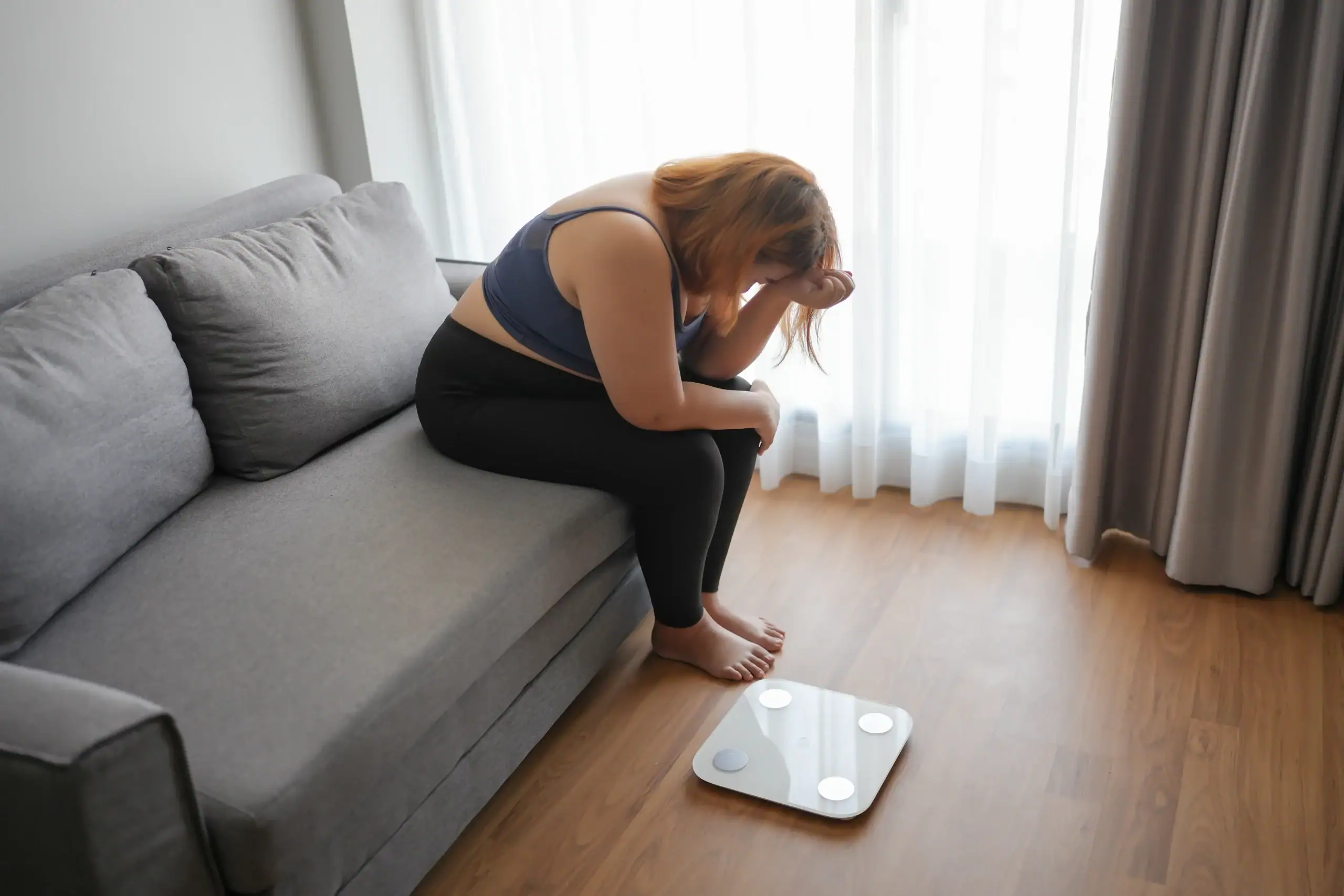
Most people who struggle with weight aren’t failing at discipline — they’re fighting hormones, metabolic patterns, and a lifestyle that doesn’t leave room for the gym. If you’re commuting out of Westbury’s LIRR station five days a week, sitting for 45 minutes each way, and squeezing a full workday in between, the idea of overhauling your diet and exercise routine on top of that isn’t realistic. That’s not an excuse — it’s just the math of a Long Island commuter’s schedule.
GLP-1 medications like semaglutide and tirzepatide work differently than anything you’ve tried before. They mimic a hormone your gut naturally produces after eating — one that signals your brain to reduce appetite and regulate blood sugar. Clinical trials show semaglutide produces an average of around 15% total body weight loss. Tirzepatide, which targets two hormones instead of one, has shown up to 22.5% in the SURMOUNT trials. These aren’t supplements. They’re prescription medications with a documented track record, and they work by changing what hunger feels like — not by asking you to white-knuckle through it.
For Westbury residents in their 40s and 50s — which describes the median age here — metabolic changes make weight management genuinely harder than it was a decade ago. A physician-guided weight loss program addresses that reality at the biological level, not just the behavioral one. That’s a meaningful difference.
We operate at 2073 Merrick Road in Merrick, NY — a straightforward drive south from Westbury on the Meadowbrook Parkway, the same route you’d take to Jones Beach or Roosevelt Field. Our clinical team includes a physician, nurse practitioners, and registered nurses who are actually on-site, not listed on a license somewhere while someone else does the work.
In January 2026, the New York Department of State issued a statewide warning after inspecting hundreds of med spas across Long Island and New York for unlicensed activity. It’s worth knowing who is actually supervising your care before you start any prescription weight loss program. At Beauty Lab, that answer is clear and verifiable.
Our weight loss management program is built around GLP-1 medications — semaglutide and tirzepatide — prescribed and monitored within a documented medical framework. It’s not a one-time injection appointment. It’s an ongoing program with real follow-up, dose adjustments based on how you’re actually responding, and access to complementary services like IV therapy and lymphatic drainage if you want to support your results more broadly.

It starts with a consultation. Before any medication is prescribed, our clinical team reviews your health history, current medications, and weight loss goals. This is where BMI eligibility gets assessed — GLP-1 medications are FDA-approved for adults with a BMI of 30 or higher, or 27 or higher with at least one weight-related condition like high blood pressure or elevated cholesterol. If you qualify, we build a personalized dosing plan around your specific starting point, not a fixed template.
The first few weeks involve starting at the lowest effective dose. This is intentional. Gradual titration — slowly increasing the dose based on how your body responds — is the clinical standard for minimizing the GI side effects, particularly nausea, that most people have heard about. The majority of patients who work through that initial adjustment period find the medication well-tolerated. Dose changes happen in response to your actual experience, which is why having a physician involved matters more than most people realize.
From there, the program runs on a once-weekly injection schedule. Appointments at Beauty Lab are available Monday through Saturday, 10am to 7pm — including Saturdays, which for a Westbury commuter is often the only day the schedule genuinely opens up. If you want to combine your weight loss visit with a lymphatic drainage session or IV therapy, that’s available in the same appointment. Nassau County has no shortage of telehealth-only options for GLP-1 prescriptions, but a program that adjusts to you over time — with someone who actually knows your case — is a different experience entirely.

Ready to get started?
Both semaglutide and tirzepatide are FDA-approved for chronic weight management in adults — not just for type 2 diabetes, which is a common misconception. Semaglutide works by mimicking GLP-1, the gut hormone that regulates appetite and blood sugar. Tirzepatide goes a step further, targeting both GLP-1 and GIP receptors, which is why its clinical trial results tend to be higher. The right choice between them depends on your health history, how your body responds, and what our physician recommends after reviewing your case.
The FDA has issued formal warnings about compounded versions of these medications that have proliferated through online services and unlicensed providers. Compounded products don’t go through the same safety, effectiveness, or quality review as FDA-approved medications. This is particularly relevant in a Nassau County market where Westbury search results for GLP-1 weight loss are dominated by aggregator directories and telehealth redirect pages — not brick-and-mortar programs with documented medical oversight.
Our weight loss management program is not a standalone injection service. It includes an initial medical consultation, a personalized dosing plan, ongoing monitoring, and access to complementary services — lymphatic drainage massage, IV drip therapy, and medical aesthetics — that no dedicated weight loss clinic in the area can offer in the same visit. New guests receive 20% off their first service, excluding NAD treatments. If you’ve been circling this decision for a while, that’s a reasonable way to start.

If you’ve searched for medical weight loss in Westbury, NY, you’ve probably noticed that most of what comes up is either an aggregator directory or a telehealth redirect — not an actual clinic you can walk into. There is no established brick-and-mortar GLP-1 weight loss provider operating within Westbury itself based on current search results.
We’re the closest physician-supervised, in-person option for Westbury residents. The drive south on the Meadowbrook Parkway takes roughly 10 to 15 minutes under normal conditions — a route most Westbury residents already use regularly. Our program includes a real medical consultation, personalized dosing, and ongoing follow-up with a clinical team that includes a physician on-site. For anyone who has already encountered the telehealth-only landscape and found it underwhelming, this is a meaningful alternative.
Semaglutide and tirzepatide are both GLP-1 receptor agonists, but they work through slightly different mechanisms. Semaglutide targets the GLP-1 receptor specifically — the gut hormone pathway that controls appetite and blood sugar regulation. Clinical trials show it produces an average of around 15% total body weight loss. Tirzepatide targets both GLP-1 and GIP receptors, which appears to produce stronger results for many patients — the SURMOUNT trials showed up to 22.5% total body weight loss at the highest doses.
Neither medication is automatically better for every person. Your health history, any existing metabolic conditions, and how your body responds during the early weeks all factor into which one makes more sense. At Beauty Lab, the choice between semaglutide and tirzepatide is made through a medical consultation — not a questionnaire — so the decision is based on your actual clinical picture, not a default recommendation.
GLP-1 stands for glucagon-like peptide-1, a hormone your gut releases naturally after eating. Its job is to signal your brain that you’ve had enough food, slow down how quickly your stomach empties, and help regulate blood sugar. For most people, this system works in the background without much thought. But for people who struggle with persistent hunger, strong cravings, or weight that doesn’t respond to diet changes, the GLP-1 signaling pathway may not be doing its job as effectively as it should.
GLP-1 medications like semaglutide and tirzepatide mimic this hormone in a sustained, once-weekly form. The result isn’t willpower — it’s a physiological shift in how hunger registers. You eat less because you’re genuinely less hungry, not because you’re fighting the urge. For adults in their 40s and 50s, where metabolic and hormonal changes compound the challenge, this biological mechanism addresses something that calorie restriction and exercise alone often can’t reach.
This is one of the most honest questions you can ask, and it deserves a straight answer. Yes — stopping GLP-1 medication without a plan in place does carry a real risk of weight regain. This has been documented in clinical research and covered widely in the media. The hormone that the medication mimics stops being present at therapeutic levels, appetite returns, and without behavioral habits built during the program, weight often comes back over time.
That’s exactly why a supervised program matters more than a one-time prescription. Our weight loss management approach is designed to be an ongoing relationship — with dose adjustments, lifestyle guidance, and regular check-ins that help build the habits that support results beyond the medication itself. The goal isn’t to keep you on a prescription indefinitely without any other support. It’s to use the window the medication creates — when appetite is reduced and momentum is real — to build something more durable. Westbury residents who have seen the headlines about “Ozempic rebound” are right to ask about this before they start.
Nausea is the most commonly reported side effect, affecting roughly 37% of GLP-1 users based on a large-scale analysis of patient self-reports. Fatigue, vomiting, constipation, and diarrhea are also reported, though less frequently. The important context is that these side effects are most pronounced during the early weeks of treatment and tend to improve significantly as the body adjusts to the medication.
The clinical approach to managing this is gradual titration — starting at the lowest effective dose and increasing slowly based on how you’re responding. This is standard protocol, not optional. A physician-supervised program like ours adjusts your dosing timeline based on your actual experience, which is why in-person oversight makes a practical difference. If you’re having a rough few weeks at a given dose, the response is to slow down the escalation — not push through a fixed schedule that doesn’t account for how you’re actually doing.
Insurance coverage for GLP-1 medications used specifically for weight loss is limited in New York. New York State Medicaid explicitly excludes these medications for weight management under state regulations, and commercial insurance coverage varies widely — many plans cover semaglutide or tirzepatide for type 2 diabetes but not for weight loss alone. For most patients pursuing a GLP-1 program through a med spa like Beauty Lab, this is a self-pay expense.
Brand-name versions of these medications — Wegovy and Zepbound — can run significantly higher through retail pharmacy channels. Programs that use compounded versions through licensed pharmacies are often more accessible in cost, though the FDA has raised concerns about compounded GLP-1 products that don’t meet the same quality standards as approved medications. Our program operates within a documented medical framework that addresses sourcing and compliance directly. If you’re a Westbury resident weighing the cost, the new guest offer — 20% off your first service, excluding NAD treatments — is a reasonable starting point for experiencing the consultation and clinical environment before committing to a longer program.
Other Services we provide in Westbury