Summary:
If you’ve been told you need massage therapy for a medical condition — whether that’s lymphedema, post-surgical recovery, or chronic pain that hasn’t responded to anything else — you’ve probably noticed that finding the right provider is harder than it sounds. Most spas aren’t equipped for it. Most solo therapists don’t have the medical backup for complex cases. And driving into Manhattan for every appointment isn’t realistic when you’re already dealing with enough. This page is for people who need more than a relaxation massage. We’ll walk you through what medical massage therapy actually involves, the conditions it addresses, and why the clinical environment around your therapist matters just as much as their technique.
What Is Medical Massage Therapy and Who Actually Needs It?
Medical massage therapy refers to treatment that’s applied to a specific health condition — not just general soreness or stress. The techniques involved, the pressure used, the areas worked on, and the order of treatment are all determined by your clinical picture, not a standard menu. That’s what separates it from a typical spa massage.
The people who benefit most are those managing conditions where an uninformed approach could actually cause harm. Lymphedema patients, people in active cancer treatment, individuals recovering from surgery, and those dealing with chronic neuromuscular dysfunction all fall into this category. According to the American Massage Therapy Association, 61% of people who seek massage do so for medical reasons — but the number of providers genuinely equipped to handle complex cases is far smaller than the demand suggests.
Lymphedema Massage Therapist: What the Right Training Actually Looks Like
Lymphedema develops when the lymphatic system is damaged or blocked — most often after cancer treatment involving lymph node removal, but also after certain surgeries or infections. The swelling it causes isn’t just uncomfortable. Left unmanaged, it can become a chronic, progressive condition that significantly affects quality of life.
Manual Lymphatic Drainage, or MLD, is the primary hands-on technique used to manage lymphedema. It involves light, rhythmic strokes that follow the specific pathways of the lymphatic system, encouraging fluid to move toward functioning lymph nodes. It looks nothing like a standard massage. The pressure is deliberately gentle, the sequence is precise, and the therapist needs to understand the anatomy of your lymphatic system — not just general muscle groups.
Here’s where it gets important: not every massage therapist is qualified to treat lymphedema. A Certified Lymphedema Therapist completes a minimum of 135 hours of specialized training in Complete Decongestive Therapy, which includes MLD, compression bandaging, skin care, and therapeutic exercise. That’s a significant clinical commitment beyond a standard massage license. Applying deep pressure to a patient with active lymphedema, or using heat on someone who has had lymph nodes removed, can trigger a serious flare — and that’s not a risk worth taking with an undertrained provider.
At our Merrick location, medical oversight isn’t an afterthought. When you’re dealing with a condition like lymphedema, having a physician, nurse practitioners, and registered nurses on-site means your treatment is being informed by people who understand your full health picture — not just the presenting symptom. That level of clinical accountability is genuinely rare in a boutique setting, and it’s the reason we’re able to serve patients managing complex, ongoing conditions safely.
Oncology Massage Therapist: Safe, Adapted Care During and After Cancer Treatment
There’s a persistent misconception that massage is off the table during cancer treatment. The more accurate reality is that certain types of massage are contraindicated in certain phases of treatment — and that properly adapted oncology massage is documented as both safe and beneficial when performed by someone who knows what they’re doing.
An oncology massage therapist modifies every element of the session based on where you are in treatment. Deep tissue work is not appropriate for someone who is immunocompromised. Heat is not used on areas affected by radiation or lymph node surgery. Positioning is adjusted for patients with ports, surgical sites, or bone involvement. These aren’t optional precautions — they’re clinical requirements that demand real training, not just good intentions.
The Society for Oncology Massage requires a minimum of 24 hours of specialized training specific to cancer care populations. That training covers chemotherapy side effects, radiation considerations, surgical complications, and how to coordinate care with the patient’s oncology team. For someone going through treatment or managing long-term effects after it, this context changes everything about how a session is structured.
Long Island’s breast cancer history is well-documented. Nassau and Suffolk Counties have been the subject of decades of public health research into above-average breast cancer rates, and the population of survivors and patients in active treatment in this area is significant. If you’re finishing treatment at NYU Langone Hospital–Long Island in Mineola, or at South Nassau Communities Hospital in Oceanside, you shouldn’t have to travel far to find post-care support that’s actually equipped for your situation. That’s a gap we address directly, and it’s one of the reasons this kind of specialized care matters at a local level — not just as a service offering, but as a community need.
Why Medical Supervision Changes Everything About Your Treatment Outcome
The phrase “medically supervised” gets used loosely in the wellness industry. Sometimes it means a medical director signed off on a protocol once and is rarely on-site. That’s not what we mean when we say our Merrick facility has a physician, nurse practitioners, and registered nurses present.
Real medical supervision means your intake is reviewed by someone who can identify contraindications before your first session. It means that if your condition changes — if your lymphedema flares, if you start a new medication, if your oncologist adjusts your treatment — the people overseeing your care can adapt your massage protocol accordingly. It means you’re not relying solely on your therapist’s judgment in situations that genuinely require clinical decision-making.
This matters most for the people who need it most. A cancer patient who is three weeks out from surgery has different needs than one who finished treatment two years ago. A lymphedema patient who is well-managed has different needs than one experiencing an acute flare. These distinctions require medical context, not just massage training, and they’re the reason why the clinical environment around your therapist is not a secondary consideration.
Beyond the clinical side, the experience itself matters. When you’re managing a complex health condition, the last thing you need is a sterile, transactional environment that adds stress to an already difficult situation. Our approach at Beauty Lab is to make the clinical experience feel like something you actually want to show up for — private suites, a genuinely attentive staff, and the kind of personalized attention that makes you feel like a person, not a case number. For conditions that require ongoing, recurring sessions, that environment is part of what makes it sustainable.
For new patients in Nassau County, we offer 20% off your first service — a straightforward way to experience the difference that a medically supervised, boutique approach makes before committing to a full program.
Neuromuscular Massage Therapy for Chronic Pain That Hasn't Responded to Anything Else
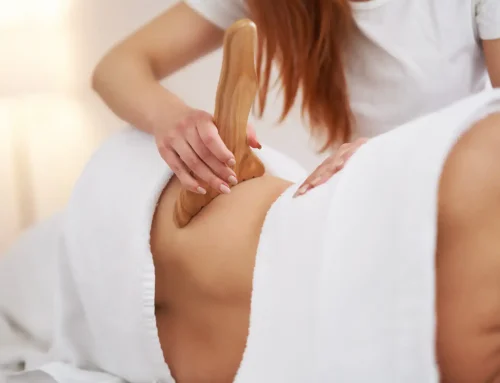
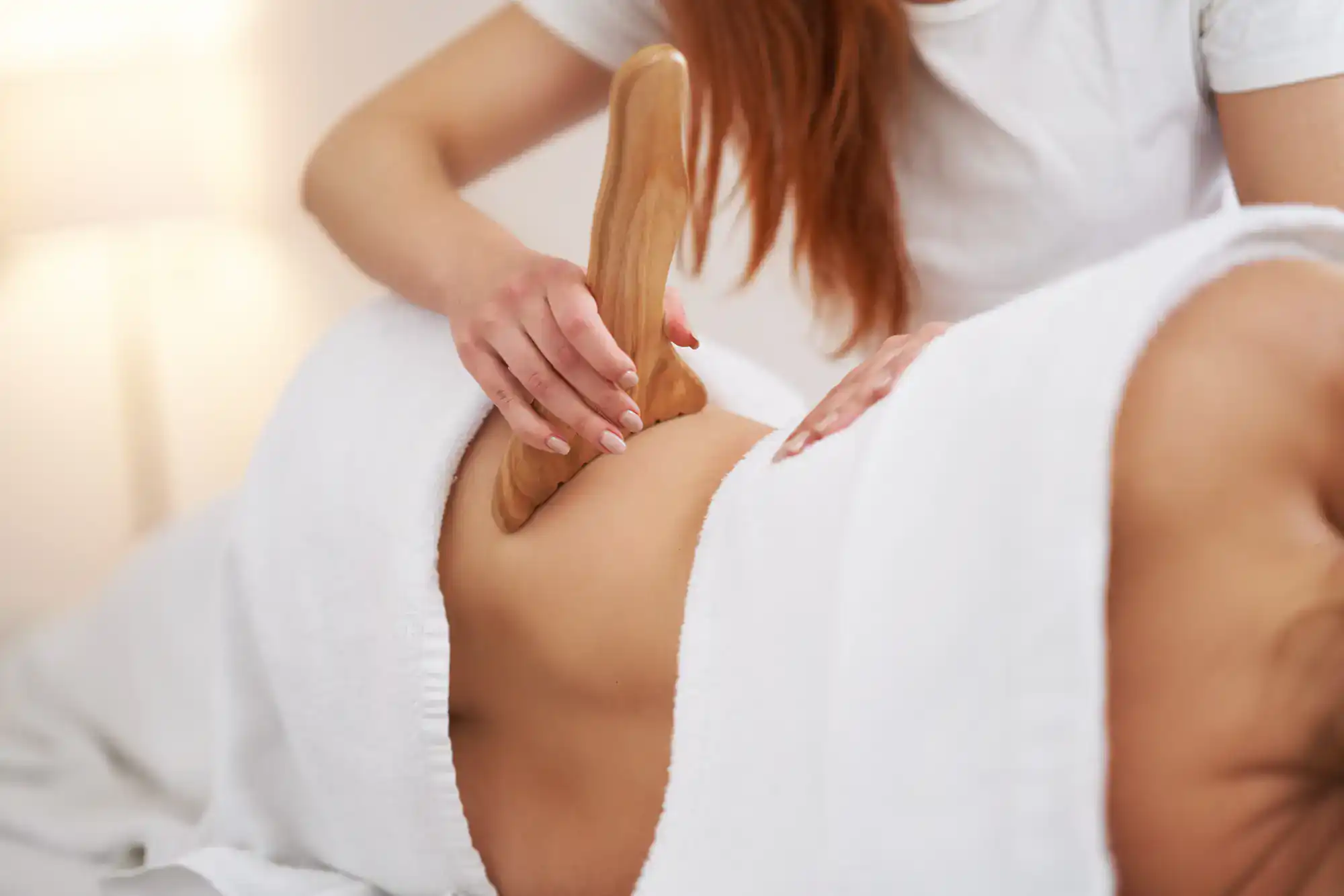
Neuromuscular massage therapy works differently from most massage modalities because it targets the underlying cause of pain rather than the surface tension. Trigger points — tight, hypersensitive spots within muscle tissue — can refer pain to entirely different parts of the body, which is why someone with shoulder pain might actually have a trigger point in their neck, or why lower back pain sometimes originates in the hip flexors. Standard massage doesn’t always reach these.
Neuromuscular therapy uses sustained, focused pressure on these specific points to interrupt the pain cycle, release the restriction, and restore normal nerve and muscle function. Research published in the Journal of Bodywork and Movement Therapies has shown 30 to 50 percent improvement in chronic pain levels with this approach — results that relaxation massage alone can’t deliver. For people who have tried physical therapy, chiropractic, and general massage without lasting relief, this level of specificity is often what finally makes a difference.
The technique requires advanced training beyond a standard massage license. A Certified Neuromuscular Therapist completes roughly two to two-and-a-half years of specialized education, covering nerve pathway anatomy, postural assessment, and the biomechanics of pain patterns. That depth of knowledge is what allows them to work systematically through a condition rather than just addressing wherever it hurts most on a given day.
For Nassau County residents who are active — golfers, tennis players, cyclists, runners — neuromuscular therapy is also highly relevant for overuse injuries and the kind of chronic, recurring pain that comes with years of repetitive movement. If you’ve been dealing with the same shoulder issue or the same low back pain for years and nothing has resolved it, this is a conversation worth having.
The right provider for a complex health condition isn’t just someone with a massage license and a good reputation for relaxation work. It’s someone whose training matches your specific condition, whose environment supports clinical decision-making, and who treats your care as an ongoing relationship rather than a single appointment.
For Nassau County residents managing lymphedema, recovering from cancer treatment, or dealing with chronic pain that hasn’t responded to standard approaches, that combination has been genuinely hard to find locally. We’ve built our practice around filling exactly that gap.
Beauty Lab is located at 2073 Merrick Road in Merrick, and we’re here to help you figure out what the right next step looks like. If you’re ready to talk through what your situation actually calls for, reach out to schedule your first appointment.