
Summary:
You’ve probably heard about lymphatic drainage by now — maybe from a friend who swears by it after surgery, or a TikTok showing dramatic before-and-afters. And maybe you’re somewhere between curious and skeptical, which is exactly the right place to start.
The lymphatic system is one of the most overlooked parts of the body, and when it’s sluggish, you feel it — in the puffiness that doesn’t go away, the heaviness in your legs after a long day, the recovery that’s taking longer than expected. This guide covers what lymphatic drainage therapy actually does, how it works, and when it makes the most sense to pursue it.
What Is Lymphatic Drainage Therapy and How Does It Work?
Your lymphatic system is essentially your body’s internal drainage network — a web of vessels, nodes, and fluid that moves waste, excess fluid, and immune cells through the body. Unlike your cardiovascular system, it has no pump. It depends entirely on muscle movement, breathing, and — when those aren’t enough — manual stimulation.
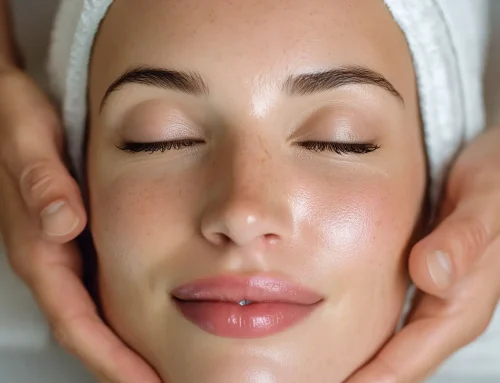
Lymphatic drainage therapy uses slow, rhythmic, light-pressure techniques to encourage that movement. The goal is to help the body clear congested lymph fluid and redirect it toward the lymph nodes, where it gets filtered and reabsorbed. It sounds simple, but the technique matters enormously — and that’s where a lot of providers get it wrong.
Why Light Pressure Works Better Than Deep Pressure for Lymphatic Drainage
One of the most common misconceptions about lymphatic drainage is that it should feel like a deep tissue massage to be effective. The opposite is true. Lymphatic vessels sit just beneath the surface of the skin — heavy pressure actually bypasses them entirely and does nothing to stimulate lymph flow. If a session feels like a vigorous rubdown, it’s probably not targeting the lymphatic system at all.
The correct technique uses feather-light, rhythmic strokes that follow the body’s natural lymphatic pathways — typically moving fluid toward the major lymph node clusters in the neck, armpits, and groin. A well-trained therapist will map the session around your specific goals, whether that’s reducing post-surgical swelling in the abdomen, addressing chronic puffiness in the face and legs, or supporting general immune function.
This is also why credentials matter. In New York State, manual lymphatic drainage cannot legally be performed by cosmetologists or appearance enhancement practitioners — it requires a licensed massage therapist or a medical professional. That’s not a technicality. It’s a meaningful distinction between someone who understands the anatomy and technique, and someone who’s offering a trendy service they’re not qualified to deliver.
The Vodder Method, the original and most widely recognized MLD technique, was developed in the 1930s and presented to the medical community in Paris in 1936. It remains the clinical benchmark. Certified Lymphedema Therapists (CLTs) complete a minimum of 135 hours of training meeting National Lymphedema Network standards before earning that credential. When you’re looking for lymphatic drainage therapy in Nassau County, NY, those are the kinds of qualifications worth asking about.
What Are the Real Benefits of Lymphatic Drainage Therapy?
The benefits that are most well-supported by research are the ones tied to medical applications — specifically lymphedema management and post-surgical recovery. Manual lymphatic drainage is a core component of Complete Decongestive Therapy (CDT), which is the gold standard treatment for lymphedema. For people recovering from breast cancer treatment, for example, where lymph nodes are often removed or damaged, MLD can meaningfully reduce chronic swelling and improve quality of life.
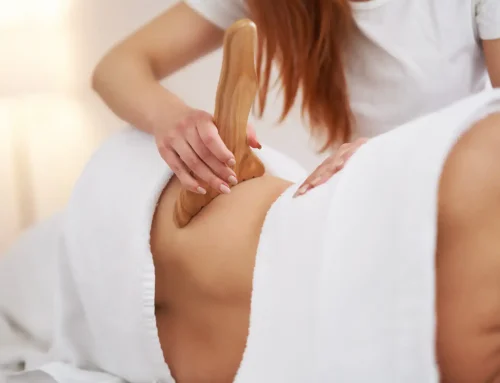
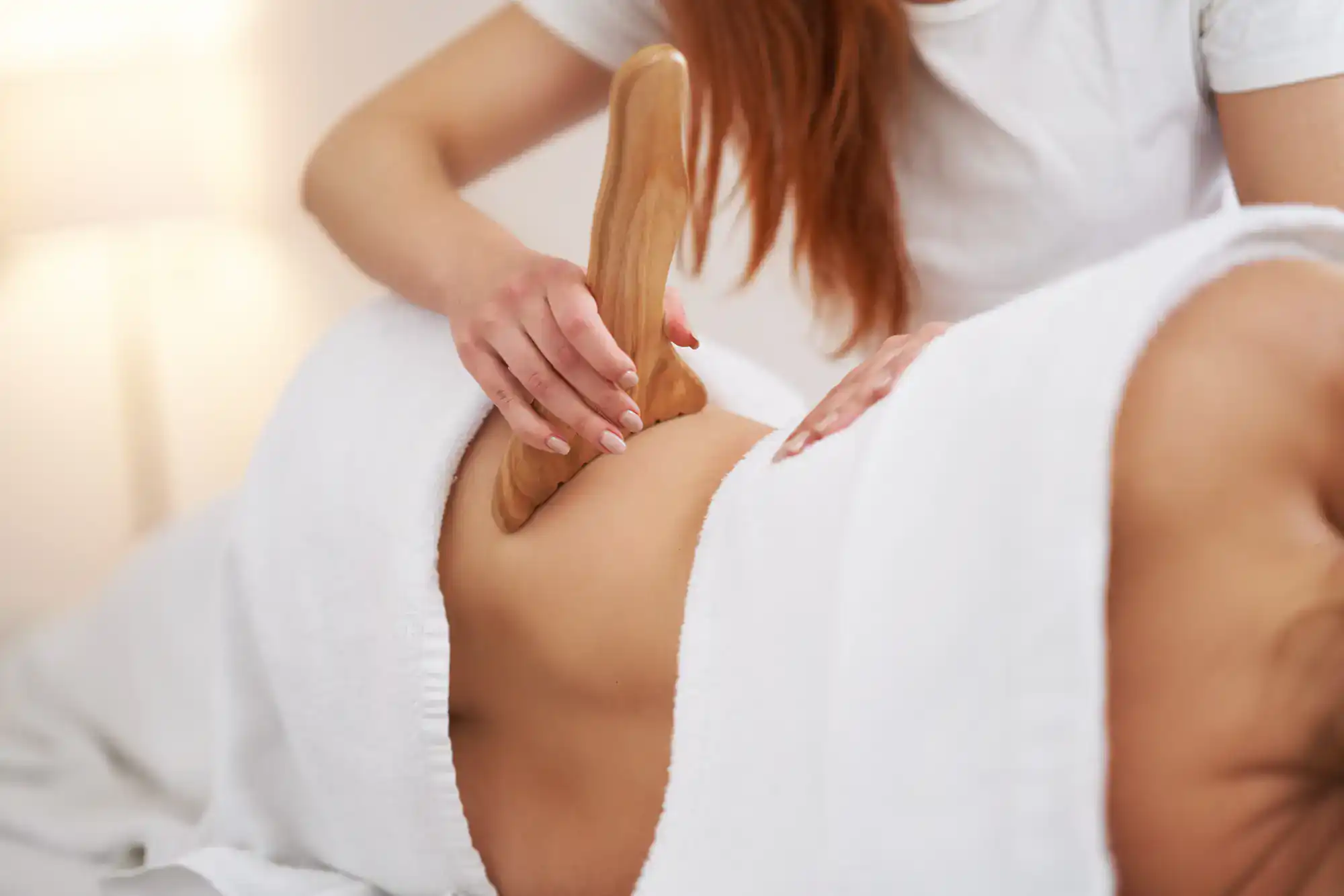
Post-surgical recovery is another area where the evidence is solid. After procedures like liposuction, tummy tucks, BBLs, or breast augmentation, the body’s lymphatic system is working overtime to clear the fluid and cellular debris that accumulates at the surgical site. Lymphatic drainage therapy accelerates that process — reducing swelling, minimizing the risk of fibrosis (the hardening of tissue that can distort results), and helping patients get to their final outcome faster. A 2010 study showed measurable reductions in thigh circumference and fat thickness in patients with cellulite who received regular sessions.
For the broader wellness applications — de-puffing, bloating reduction, immune support, the general feeling of being less heavy and more yourself — the science is more nuanced. The lymphatic system does play a direct role in immune function, filtering pathogens and circulating white blood cells. Supporting lymph flow through manual therapy can contribute to how you feel overall, even when there’s no diagnosable condition driving it. What lymphatic drainage won’t do is flush toxins from your organs — your liver and kidneys handle that. Any provider who promises a complete systemic detox is overstating what the therapy does. Honest expectation-setting is part of what makes a session worth your time and money.
Body Massage Therapy as a Complement to Lymphatic Drainage
Lymphatic drainage doesn’t exist in isolation. For most people, the best outcomes come from combining it with complementary modalities — and body massage therapy is one of the most natural pairings.
Where lymphatic drainage works at the surface level to move fluid, body massage therapy addresses the muscular and connective tissue layer beneath. Together, they create a more complete therapeutic effect: reduced fluid retention, eased muscular tension, improved circulation, and a deeper sense of physical recovery. It’s the difference between treating one symptom and treating the whole system.
How Body Massage Therapy Supports Lymphatic Health
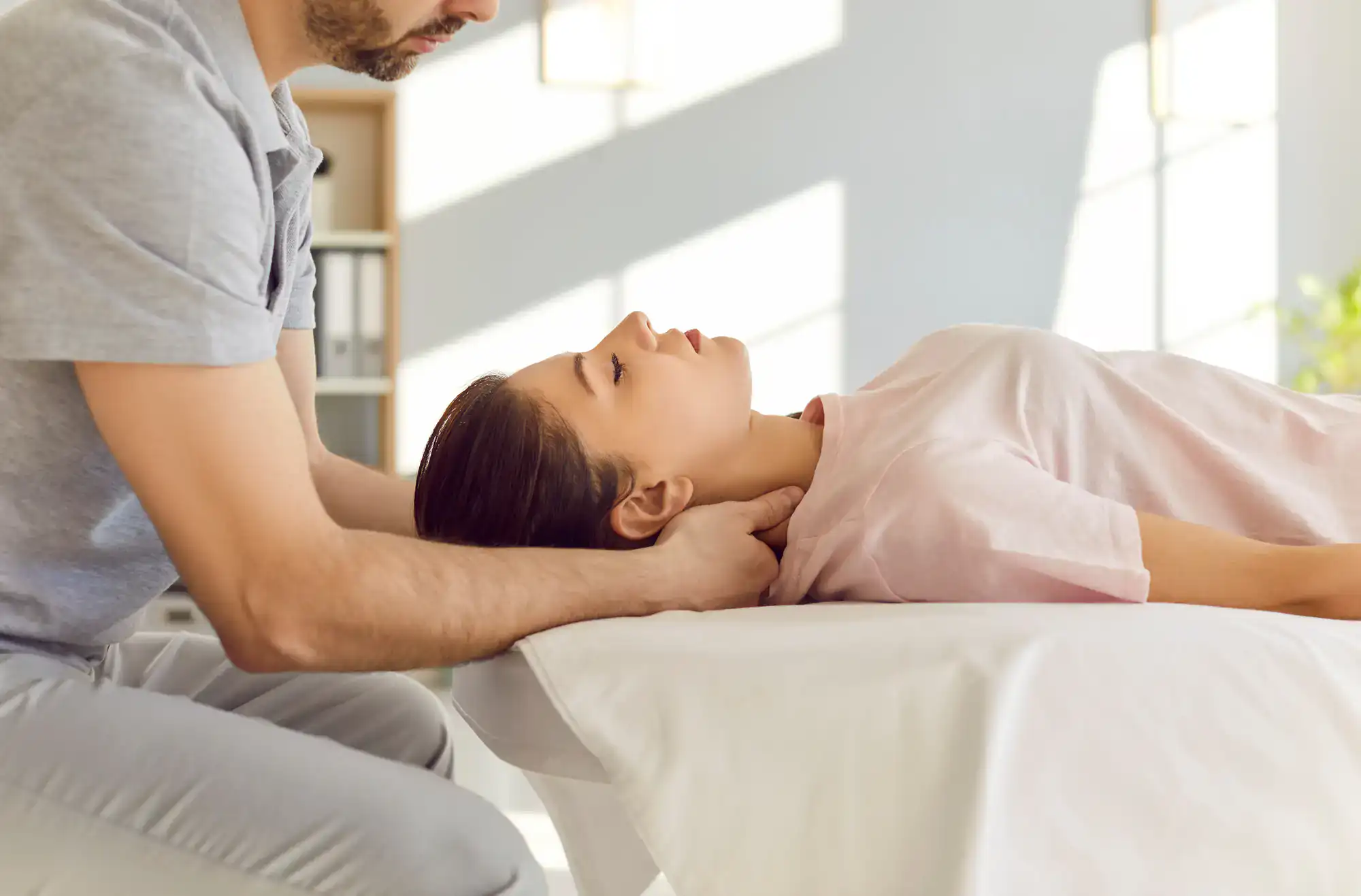
The lymphatic system depends on movement to function. When muscles are tight, circulation is restricted, and lymph flow slows. Body massage therapy directly addresses that — releasing tension in the tissue that surrounds the lymphatic vessels and creating the kind of muscular activity that encourages lymph to move on its own.
For Nassau County residents who spend long hours commuting on the LIRR, sitting at a desk, or managing the physical demands of a busy household, this connection is especially relevant. Sedentary patterns are one of the most common contributors to lymphatic sluggishness. The heaviness in your legs at the end of the day, the puffiness that builds through the week — those aren’t random. They’re your body’s response to reduced movement and circulation.
A therapeutic body massage session, particularly when paired with lymphatic drainage, helps break that cycle. It’s not a luxury in the traditional spa sense — it’s a functional intervention for the way most people actually live. When we build personalized wellness programs at our Merrick location, this combination is often where we start: addressing both the surface-level fluid retention and the underlying muscular tension that’s feeding it.
It’s also worth noting that body massage therapy has well-documented benefits for stress reduction, which matters here too. Chronic stress elevates cortisol, which suppresses immune function and contributes to systemic inflammation. Reducing that baseline stress load through regular massage creates a better internal environment for the lymphatic system to do its job. The two modalities reinforce each other in ways that a single-service approach simply can’t replicate.
Stretching Massage Therapy for Range of Motion and Lymphatic Flow
Stretching massage therapy is one of the less-talked-about tools in the therapeutic massage space, but it belongs in the conversation — especially when lymphatic drainage and body massage are already part of the picture.
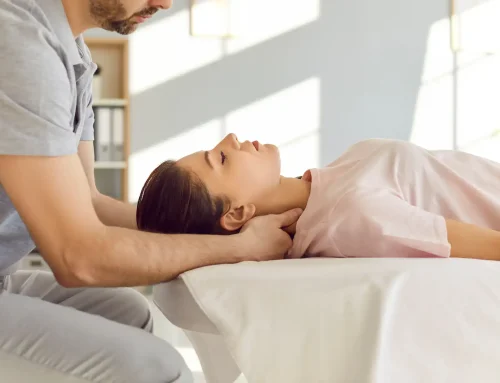
The approach combines assisted stretching with massage techniques to address restrictions in the fascia, joints, and connective tissue. Fascia — the web of connective tissue that wraps around every muscle, organ, and vessel in the body — can become dense and restricted from surgery, injury, chronic tension, or simply the accumulation of years of physical stress. When fascia tightens around lymphatic vessels, it directly impedes lymph flow. Stretching massage therapy works to release those restrictions, restoring mobility and creating more open pathways for lymph to circulate.
For post-surgical clients specifically, this matters a great deal. After procedures like liposuction or a tummy tuck, the tissue around the surgical site often becomes stiff and fibrotic as it heals. Gentle assisted stretching, introduced at the appropriate stage of recovery, can help restore tissue flexibility and support the lymphatic drainage work happening at the surface level. It’s a layered approach — and the layers compound.
For clients who aren’t recovering from surgery but are dealing with chronic tightness, poor posture, or limited range of motion, stretching massage therapy offers its own standalone benefits. Improved flexibility means better circulation throughout the body, which means the lymphatic system gets more of the passive support it needs from everyday movement. Less restriction in the tissue means less resistance for lymph to push against.
In Nassau County, where a significant portion of residents are either commuting professionals dealing with postural strain or active individuals managing sports-related tightness, this modality addresses a real and common need. When combined with lymphatic drainage and body massage therapy in a single, coordinated session or program, the result is a genuinely comprehensive approach to physical wellness — not a menu of unrelated services, but a system that works together.
Finding Lymphatic Drainage Therapy in Nassau County, NY That's Actually Worth It
Lymphatic drainage therapy is worth pursuing — but only when it’s done correctly, by qualified providers, in an environment equipped to support it. The difference between a session that delivers real results and one that doesn’t usually comes down to technique, credentials, and whether the provider understands your specific situation well enough to build around it.
For Nassau County residents, the combination of a medically supervised setting, licensed professionals, and an integrated approach to wellness matters more than it might elsewhere. Whether you’re recovering from a procedure, managing chronic puffiness, or simply looking to feel better in your body, the right program addresses all of it — not just one piece.
We’re located at 2073 Merrick Road in Merrick, NY. New guests receive 20% off their first service. Reach out to schedule a consultation and we’ll take it from there.